John Keenan looks at an issue forcing its way up the global agenda – how to keep delegates safe
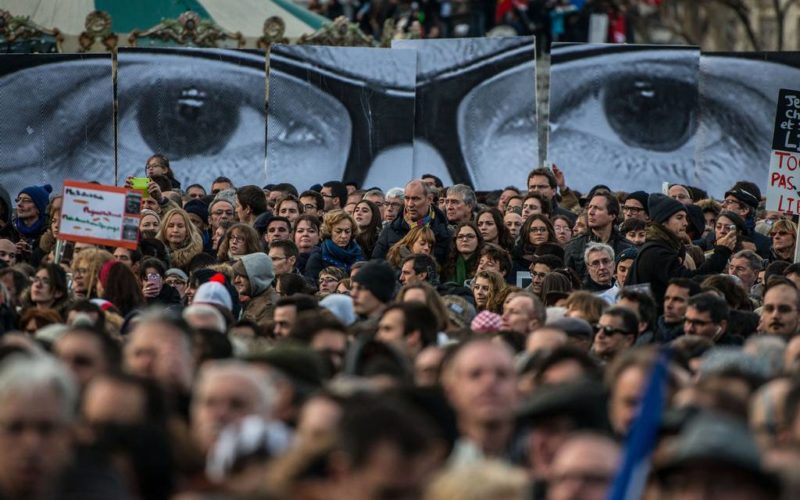
In January gunmen killed 12 people at the Paris offices of satirical weekly Charlie Hebdo.
Among those killed was Frédéric Boisseau, a 42-year-old maintenance worker, employed by Sodexo, the international venue caterer and facilities management company.
A month later, attacks in Copenhagen left a film director and a Jewish man dead and five police injured.
Venue managers said that safety and security will always be a critical factor in centre operation but even more demanding in a time when both the threats and their management are changing rapidly.
Steen Møller, head of business events at VisitDenmark said: “The tragic events that took place in the city naturally affect everyone who has a relationship with the city, its values, its tolerance and the lifestyle that Copenhagen is known for all over the world. However, the events will not change the fact that Copenhagen is one of the safest destinations in the world and a city based on values such as openness, democracy and diversity – and it’ll remain so for both locals and for leisure and business travellers visiting.
“We’ve had a wide range of high profile events in the city in the past – including, for example, the UN Climate Conference COP15, IOC meetings and the Danish EU presidency in 2012 – all of which were dealt with successfully, including security matters, and both our VisitDenmark Business Events Team and Wonderful Copenhagen CVB’s Congress Department also report no cancellations from booked groups based on recent the events.”
In December, a hostage siege at a cafe in Sydney’s busy Martin Place plaza left three people dead.
Geoff Donaghy, AIPC president, CEO of International Convention Centre Sydney and director of convention centres for AEG Ogden, said: “Safety and security are key factors in AIPC member centres and in general an integral part of operating procedures – for example, they are important elements in the AIPC Quality Standards established several years back as a guide to centre operating excellence. At the same time, they are a topic of ongoing discussion in the face of constant change, not just in terms of global conditions but also emerging new threats, responses and technologies that all require updates.”.
Donaghy told CMW that emergencies are seldom limited to centre-specific impacts and involve other organisations that must be incorporated into the communications and response protocols.
He said: “The emergence of new technologies can support either better facility security or greater threats to that facility, depending on who has awareness and access. The importance of security as a design factor, given that security can literally be ‘built in’ to centres is seen as an important factor. We must make sure that while effective, security measures are at the same time as unobtrusive as possible so as to not negatively impact the overall delegate experience.”
Marco Forgione, CEO at UK trade association EVCOM (pictured below), told CMW: “In the UK we have a world leading reputation for event safety and security. For many years we have lived and operated under the threat from international terrorism, but due to the professionalism and expertise of our event industry we remain a world leading international event destination. We cannot be complacent, we need to ensure that safety underpins all that we do; at the same time we do need to protect the principles of a free and democratic society.”
In the wake of the attacks in Paris, a spokesman for the Paris Convention and Visitors Bureau said that everything was being done to guarantee the safety of visitors to the French capital. He said all sites, including tourist sites, requiring additional protection, were part of a special plan and that security had been raised “to its maximum level applied to ensure optimal safety.”.
Excel London’s chief operations officer Brian Cole said his venue would continue to gather information from organisers, external agencies and the Metropolitan Police and identify anything that could be classed as a threat to the venue or those attending.
He said: “Excel’s security department is on high alert and instructed to report any suspicious activity. Working with our organisers and their security suppliers, we will complete risk assessments for every event, with the agreed appropriate steps or with the necessary measures implemented. We continue to work closely with the Anti-Terrorist Division of the Metropolitan Police, receive intelligence from the Inkerman Group and will adhere to any advice we receive. As a venue, we are committed to review our procedures when any significant change occurs in consultation with the relevant parties.”
The London QEII Centre’s chief executive Mark Taylor believes London has been operating at a heightened threat level since August 2014. “To ensure we maintain a high level of security, we are in regular contact with the Metropolitan Police and review our procedures based on all scenarios including terrorism incidents which have occurred not just in Europe but also in Australia, Pakistan and the US.
“The QEII Centre has always taken security as a key priority and we have recently reviewed emergency lockdown procedures in the event of a terror attack/incident. We also ensure all of our staff are well briefed and trained in the event of a security breach.”
In the United States, security concernes were used by congressional Republicans who attempted to thwart homeland security funding as a protest against President Obama’s policies to defer deportations for millions of migrants in the United States illegally.
But last month President Obama signed the homeland security funding bill on Wednesday, ending a Republican efforts to block his immigration reforms.
The president said that that homeland security officials “work to secure our borders, respond to disasters, guard our coasts, protect our cybersecurity, and keep our ports and airports safe — they’re law enforcement professionals and brave patriots who do a remarkable job, and deserve our gratitude and respect”.
It is against this background that the International Tourism Safety Conference will take place at the Las Vegas Convention Center in April.
Organised by International Tourism Safety Association, Las Vegas Convention and Visitors Authority (LVCVA), Las Vegas Metropolitan Police Department and the Las Vegas Security Chiefs Association the event focuses on providing delegates with new information, trends, equipment, strategies and best practices in keeping visitors safe.
Ray Suppe, president of the International Tourism Safety Association and senior director of security for the LVCVA, said: “The conference is designed to share practical advice, the latest strategies and new technology within the industry in order to help all destinations and attractions worldwide, provide a safe and positive experience.”
Do you have a view on this? Email: John Keenan